
























School’s Almost Out: Eight Steps to Get Ready for the End of the School Year
By Lynn M. Dean
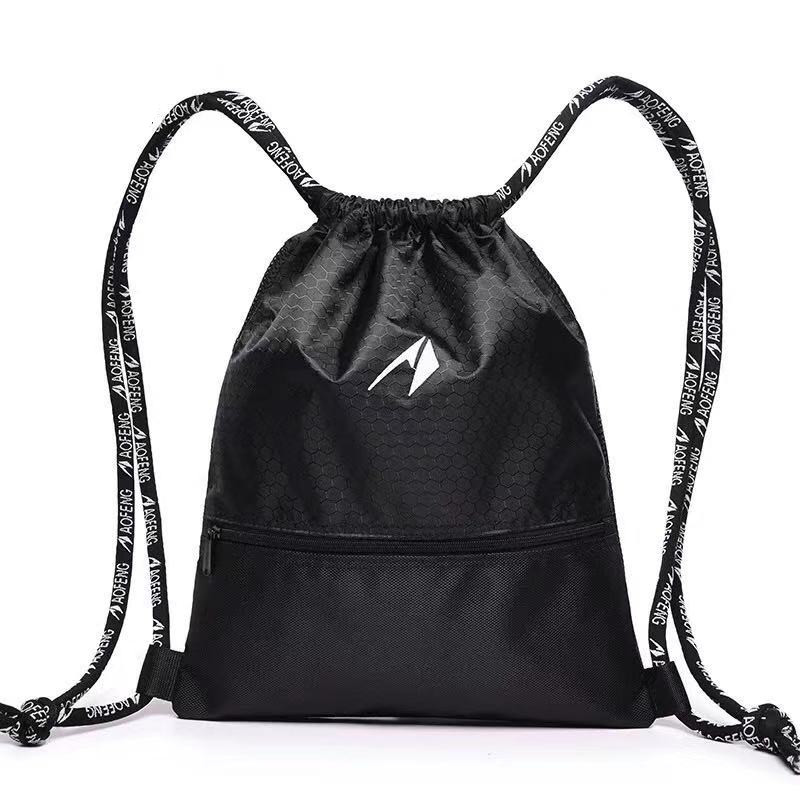
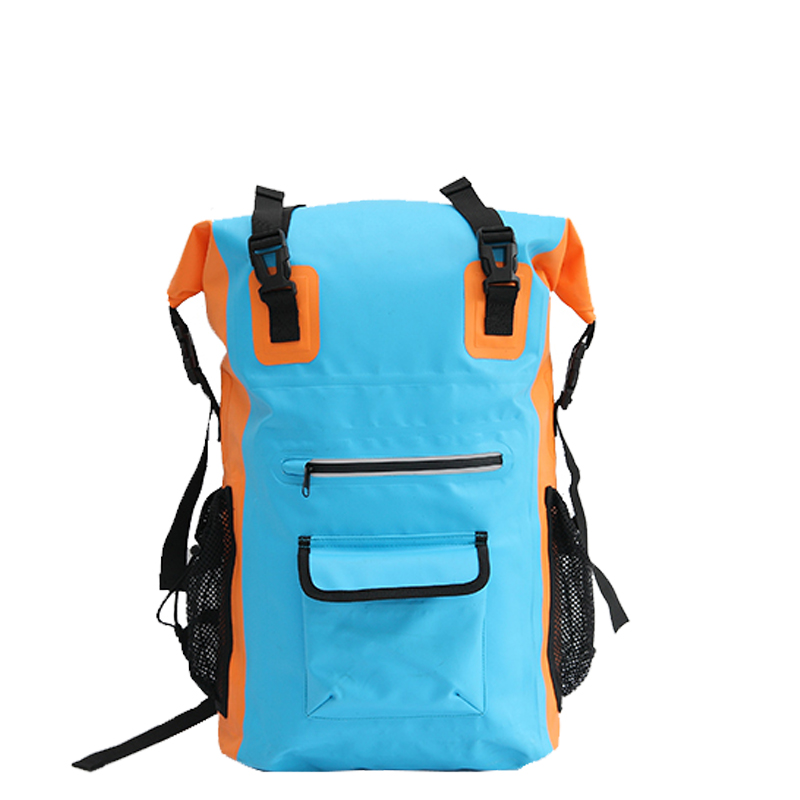
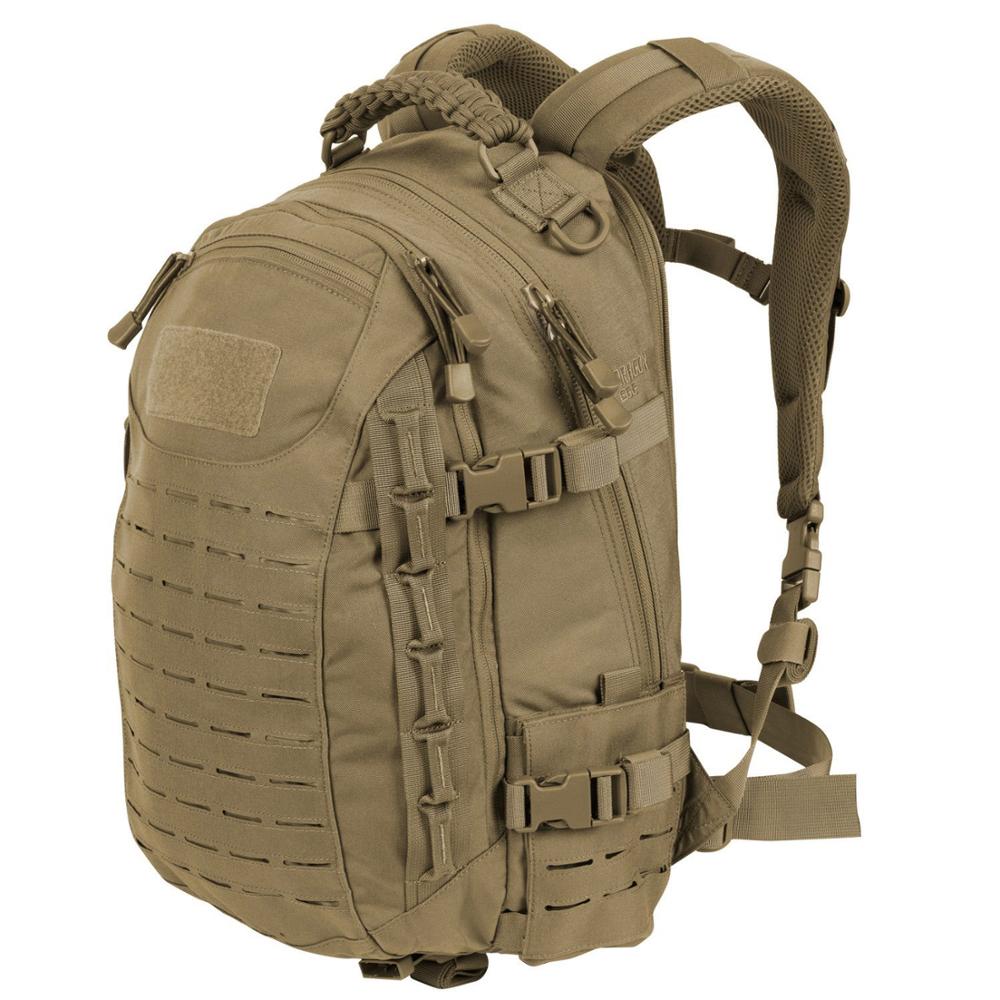
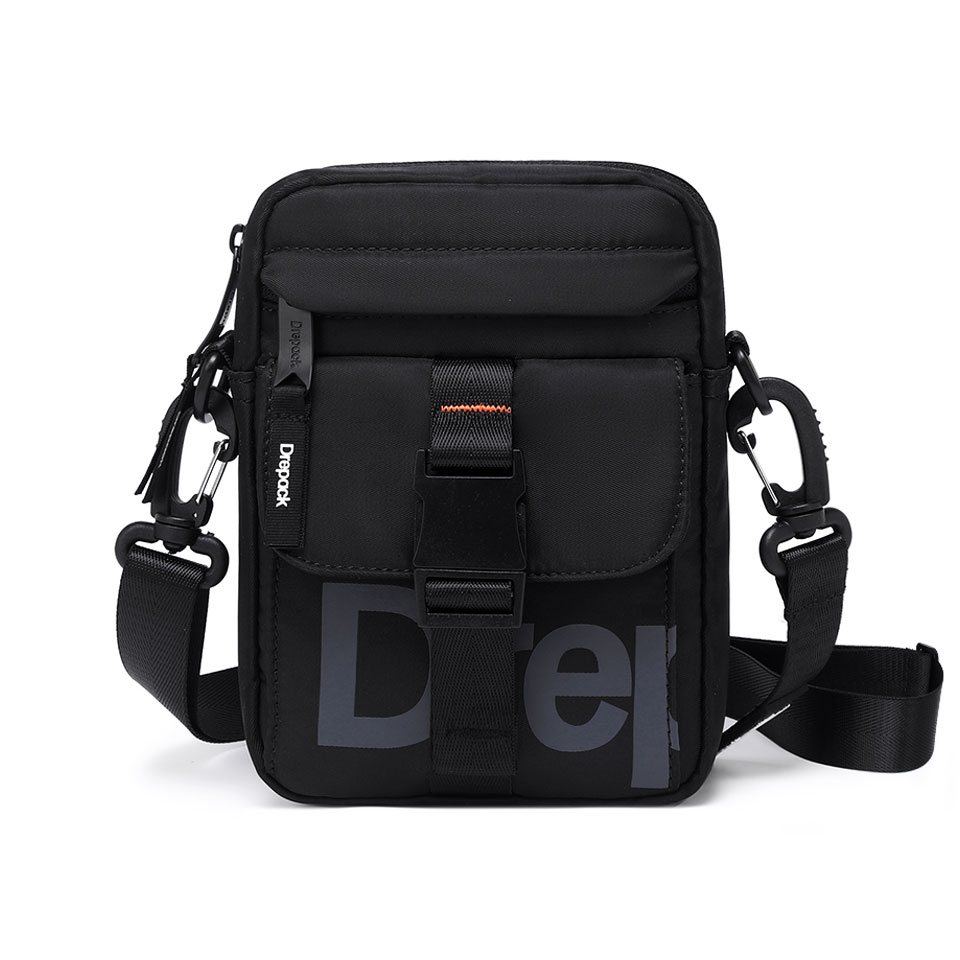
What happened to the school year? Just yesterday we were buying backpacks, markers, paper and spiffy new sneakers for our youngsters. Now we need to look ahead to the summer. If we take a few simple steps now, we can make the transition from school year to summer to school year again much smoother:
1. Tie up loose ends. Has your child found that lost library book yet? If not, suggest she start looking for it in earnest before panic erupts that last week of school when you have to find your checkbook. What other items are checked out to your child? Books from the classroom? Flash cards? Computer equipment?
2. Collect belongings that need to return home. What about that jacket that went to school last February but hasn’t made the return trip. Schedule some time this month to dig through the school “lost and found” for it and other articles you may not be aware are missing. Is art class over for the year? Have your son bring home his art supplies. No more geometry? Store away those protractors and compasses for next year. Now is the time for your child to look for those expensive scissors he lent to “somebody.”
3. Thank your child’s teacher for his efforts. National Teacher Appreciation Week is the first full week of May. As the year draws to a close, this is an excellent time to send your teacher a card or a note of gratitude. Or, give your teacher a small gift- perhaps a gift certificate to the bookstore or your local office supply store. Home-made treats or plants or flowers from your garden are also nice touches and don’t cost much.
4. Get a head start on next year’s lessons. Ask what topics will be covered. Do you have an incoming fourth grader that will be studying state history? Make plans now to visit some of your states historic landmarks this summer. Will your junior high student be studying art appreciation? Visit a local art museum to help her get her feet wet now.
5. Plan to buy ahead. What school supplies will your child need next fall? Begin to collect paper, pencils, pens, rulers and other things you know will be on the list. The more you can get now, the less you will have to buy in August at those hefty “back-to-school” prices. Remember, too, that supplies don’t have to be new. Store away those that come home for next year.
6. Check on the district requirements that lay ahead. Does your incoming junior high child need shots? Make plans now for your child to be fully immunized. Is a physical required to play sports? Schedule it now, before other parents get around to thinking about it and book all your favorite physicians.
7. Finalize summer plans. Will your child be involved in day-care or day-camp programs? Make sure he is registered and everything is in order. Will your child be involved in summer school, summer enrichment, or other programs? Make those arrangements now. Don’t forget to sign your child up for the library’s Summer Reading Program and check out their list of summer activities.
8. Stock your “boredom” box and fridge. Banish “I’m Bored,” “I’m Hungry,” and “I’m Thirsty” by anticipating their needs. Pick up sure-fire boredom busters such as board games, construction paper, crayons, markers and books, books, books. Think about summer menus. What are you going to do for lunches and snacks? Lay in supplies.
If you take the time now, that last bell won’t sneak up on you. You will be ready for the summer and the adventures that await.
Lynn Dean is a Colorado writer and the mother of three. She would like to thank her children’s teachers, and the others throughout the world, for their outstanding efforts this year.
Luca Learns to Swim
Barry Shrewsbury
For many children (and for all involved), the process of learning to swim can be a challenging and emotional experience. However, if you take a proactive approach and remember that swimming is a life-enhancing (and saving) skill, your child’s experience can be that much more enjoyable and successful. Toward this end, author and swim instructor Barry Shrewsbury has written a book fro parents to read with their child prior to engaging in swim lessons.
If you have ever read a book such as Harry Goes to the Hospital, you understand the concept. By familiarizing your child with the experience through reading and pictures, the swim lessons can become a great adventure.
Luca Learns to Swim is easy to read, with attractive illustrations, and will help in disarming your child’s apprehensions about attaining this life saving skill.
While this book can be ordered at bookstores and on-line, autographed copies are available at Maley Swim School at 501 Lake Harbor Drive in Ridgeland. Call 601-898-7946 for more information.
Sew What? A Needle Pulling Thread is Not an Insurmountable Task
Your favorite blouse is missing a button...the pants your son wants to wear to school have a ripped seam...the badges need to be sewn on your daughter's scout sash before tonight...
If you are someone who panics when these everyday occurrences happen—because you don't know how to sew—you aren't alone. Tailors and dry cleaners make a nice profit when they are called upon to do these simple mending chores—especially if it's a rush job.
Thinking they might save a little money, friends and co-workers of Nan Ides, an expert sewer, frequently asked her to mend garments. "I was always replacing and re-sewing their lost buttons and ripped hems. Then I decided to change my approach," Ides says.
"I told them that they had a choice: pay me $10 to sew each button or I would show them how to do it themselves for free." Invariably, most chose the latter. As a result, Ides started lunchtime instructional workshops at her job, which led to full-fledged community classes, and ultimately led to her book, Hand Mending Made Easy: Save Time and Money Repairing Your Own Clothes, which has just been released.
Hand Mending Made Easy is specifically written for the non-sewer. Ides demonstrates, in twelve easy, fully illustrated lessons, how to mend almost any garment yourself. Chapters include basics from threading a needle and sewing on buttons to more advanced lessons, such as fixing seams and buttonholes, ironing techniques, and repairing broken zippers.
Ides, an avid sewer and clothing designer, says the book was not written as a "learn to sew" manual. "I developed the book to show people who really don't necessarily want to learn to sew, how to mend their own clothes—a problem we all have at some point—in a cost- and time-effective manner," says Ides. She even includes a chapter on when not to try and mend your garment.
Among those who will find this book helpful are: stay-at-home moms, working moms, traveling business women and men, single fathers, single women and men, college students (add the book with a basic sewing kit as a dorm/apartment must), brides (perfect shower gift with or without a basic sewing kit), those in the military, campers, scouts, new crafters.
What does it take to learn to hand mend? Some thread, needles, pins, a pair of scissors, a little patience and practice, practice, practice. Everyone—adults, young adults, teens, even children—can learn to do basic hand mending. Saving money and time is just a few stitches away!